Van Life Cost: What You'll Actually Spend in 2026
Most "van life cost" posts throw you a vague range and call it a day.
This one doesn't.
We've built 80+ vans at Brooklyn Camper Vans and spoken with hundreds of people planning to switch. We know exactly where the money goes - and where people consistently underestimate.
Here's the real breakdown.

How Much Does Van Life Cost? The Short Answer
Monthly van life costs typically range from $1,200 to $3,000 for most full-timers, with budget minimalists squeezing it under $1,000 and comfort-focused couples pushing past $3,500.
That range feels wide because it is. What you spend comes down to three things: how much you drive, how often you pay for campsites, and whether you've got debt on your van. Get those three variables under control, and the rest is manageable. For a deeper look at recurring expenses, our monthly cost breakdown covers every line item.
The upfront cost is a separate conversation. Before you ever hit the road, expect to spend $60,000-$200,000+ on the van and build, depending on the route you take. We break down every pre-road expense in our van life startup cost guide

Upfront Van Life Costs
The Van Itself
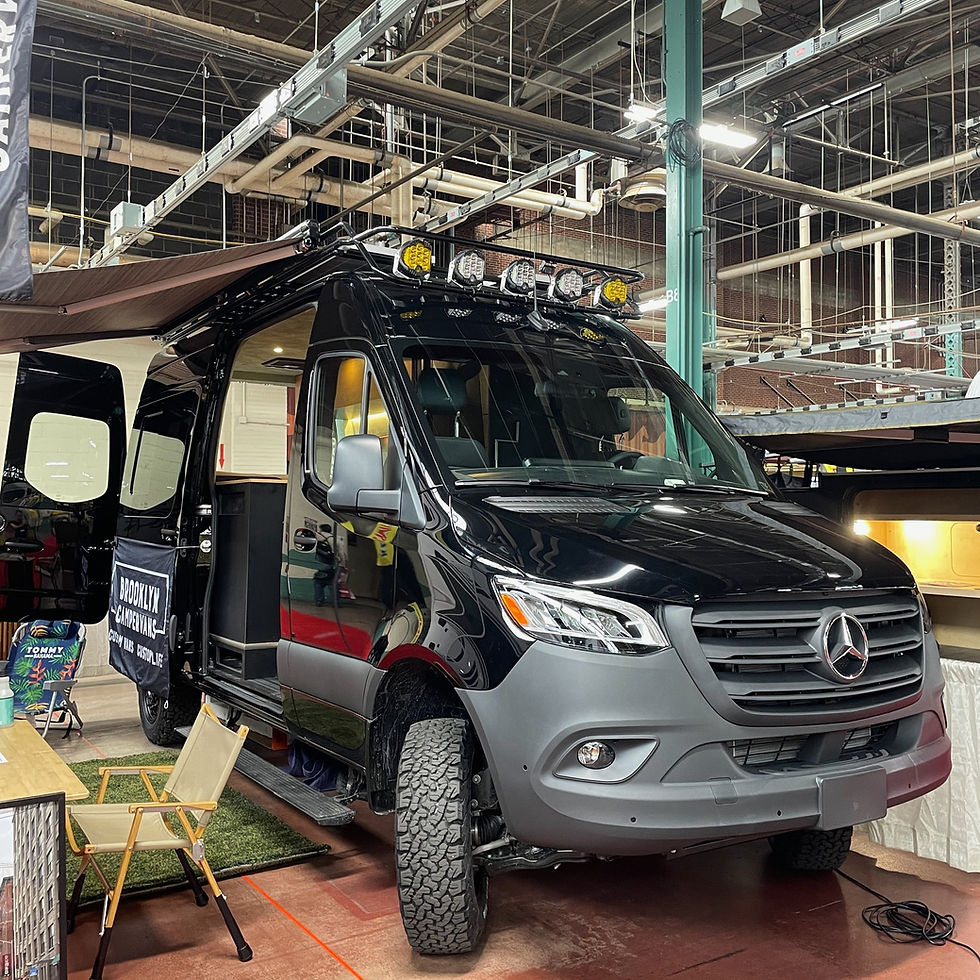
The base vehicle is your single biggest purchase. A new Mercedes Sprinter 170WB High Roof AWD - our platform of choice - starts around $85,000 new. Used Sprinters in good condition typically run $35,000-$55,000, depending on year and mileage.
Other popular platforms:
Ford Transit: starts around $48,000 new, $22,000-$38,000 used
Ram ProMaster: starts around $45,000 new, most affordable entry point
Dodge Grand Caravan or older minivans: $3,000-$15,000 for a budget start
Not sure which platform is right for you? Our Transit vs Sprinter vs ProMaster comparison breaks down every difference that matters, and our full guide to the best vans for van life covers the complete range.
Don't forget registration, taxes, and extended warranties. In most states, you're looking at $500-$1,200/year just for registration. On a Sprinter, an extended warranty adds $2,000-$4,000 upfront but pays for itself fast if anything major goes wrong. If you're not buying outright, our guide on how to finance a camper van walks through every option - including financing directly through Brooklyn Camper Vans.
The Build
This is where cost ranges get enormous.
DIY build: $5,000-$25,000. This assumes you're doing the labor yourself, sourcing some materials used, and keeping systems simple - basic insulation, a sleeping platform, and a small electrical setup. It takes 3-6 months for most first-timers, and the quality is entirely dependent on your skill level.
Mid-tier conversion shop (less experience, fewer builds): $40,000-$80,000. These shops have a portfolio, but a limited track record. You get a finished van, but often without the systems refinement that comes from building hundreds of them.
Experienced custom builder (80+ builds): $150,000-$270,000+. At this tier, you're getting a fully engineered layout with proper insulation (we use rock wool at R-15 plus sheep wool), a 3.6-15 kWh battery system, solar, climate control, a real shower, and a build that's designed to actually function for years of daily use.
The honest version: a DIY build looks cheap on paper until you factor in your time, mistakes, the systems that get redone, and the ongoing repairs you'll make on the road. A lot of our clients come to us after a DIY build they weren't happy with. Check out our Sprinter van conversion layouts to see what a purpose-built layout looks like.

Monthly Van Life Expenses: The Full Breakdown
Here's what you're actually spending each month once you're on the road.
Expense | Budget Range | Notes |
Fuel | $200-$600 | Depends heavily on how much you move |
Food & groceries | $300-$800 | Cooking in the van vs. eating out changes this drastically |
Campsite fees | $0-$900 | Free camping (BLM, iOverlander) vs. nightly paid sites at $15-$30 |
Van insurance | $100-$180 | Higher for full-timers and custom builds - see our van life insurance guide |
Health insurance | $200-$500 | Biggest wildcard - depends on age, state, ACA plan |
Phone & internet | $80-$200 | Starlink Mini is ~$50/month + hardware; phone plan on top |
Maintenance fund | $80-$150 | Budget $1,000-$1,500/year minimum for a used van |
Gym membership | $15-$30 | Planet Fitness ($15/month) or Black Card ($25/month) for showers |
Recreation | $100-$500 | Activities, national parks, tours - it depends entirely on you |
Subscriptions | $30-$80 | Harvest Hosts ($99/year), streaming, etc. |
Monthly total estimate: $1,105-$3,940
Most full-time van lifers with a paid-off van land somewhere between $1,200 and $2,000/month. Couples tend to run $1,800-$3,000 once you factor in doubled food, insurance adjustments, and more paid campsite use. If you're doing van life with a partner, the cost dynamics shift in ways most people don't expect.
The Hidden Costs Most People Miss
1. Internet
Most van lifers underestimate this. A basic phone plan with hotspot ($100-$135/month) works in populated areas but fails in the places you actually want to be. A Starlink setup for van life is the real standard for remote work - Starlink Mini runs about $50/month on the Roam plan, and the hardware costs around $250. We modify Starlink Gen 3 units to run on 12V in our builds, which cuts energy draw by 2.5x. That matters when you're off-grid. A WeBoost cell signal booster ($300-$650 one-time) is worth adding on top. For the full breakdown of what works and what doesn't, read our van life internet guide.
2. Climate control
Most budget builds have no AC and a basic diesel heater. That works until it doesn't. August in Phoenix or February in Montana will test your systems fast. A quality diesel heater like the Webasto Air Top 2000 STC runs roughly $2,500-$3,500 installed, depending on your setup and labor costs. A rooftop AC unit adds another $3,000-$5,000. Our camper van heating guide covers every system worth considering, and if you're planning to travel through cold months, our van life in winter guide covers what it actually takes. If you're serious about full-time van life, climate control isn't optional - it's the difference between a functional home and a miserable box.
3. Pet costs
If you're traveling with a dog, add $100-$300/month for food, vet visits, and activities. More importantly, without remote temperature monitoring, you're leaving your pet at risk every time you step away from the van. We offer the Waggle pet monitor as an upgrade - it tracks cabin temperature and humidity over cellular (Verizon 4G with battery backup), so you get alerts on your phone whether the van has Starlink up or not. Our full guide on van life with dogs covers everything from vet access to heat safety.

What the Price Difference in a Custom Build Actually Gets You
This is where the math changes for anyone planning to live in their van full-time.
A well-built custom van eliminates many ongoing costs that cheaper builds create. Proper insulation (we use R-15 rock wool plus sheep wool) means your heating and cooling systems work less, and in turn your battery lasts longer. A reliable 3.6-15 kWh EcoFlow battery system with solar keeps you off-grid for weeks without generator costs. A quality shower setup with a Nebia showerhead and a 40-gallon fresh water tank means you skip the gym membership.
Compare that to a budget build where you're paying for campgrounds to access showers, running your van to charge your battery, replacing components that weren't spec'd correctly, and repairing things that weren't done right the first time. Our camper van maintenance checklist shows you what to expect on either path.
There's also resale value. A well-documented custom conversion from an established builder holds its value significantly better than a DIY build or a conversion from a shop with a limited track record. If you sell after two years, a $230,000-$270,000 custom van (vehicle included) from a reputable builder can return $155,000-$215,000. A mid-tier conversion in the $60,000 range might return $30,000.
You can explore the full list of van upgrades worth investing in - we break down exactly what we install and why.
7 Ways to Keep Monthly Van Life Costs Down
Free camp as much as possible. The iOverlander app is the best tool for finding free spots on BLM land, national forests, and dispersed camping. Harvest Hosts ($99/year) adds 4,000+ wineries, farms, and breweries. Between those two, most people can keep campsite spending near zero. Our best van life apps guide covers every app worth downloading.
Cook in the van. This single habit has more impact on your budget than almost anything else. Eating out every day can add $800-$1,200/month. A two-burner induction stove and a proper fridge setup make cooking on the road as easy as at home. See our van life essentials list for the full rundown of kitchen gear.
Slow down your travel pace. The biggest van life budget mistake is moving every day. Fuel is usually your second-or third-largest expense. Stay put for a week, and your monthly fuel costs drop fast.
Use GasBuddy. Gas prices vary significantly by state and even by neighborhood. Using GasBuddy to find the cheapest station within a few miles adds up over time.
Get the national parks pass. The America the Beautiful Pass is $80/year and covers entrance to all national parks and federal recreation areas. If you're visiting more than 2-3 parks per year, it pays for itself.
Build an emergency fund before you leave. The most expensive van life mistake is hitting the road underfunded. A broken belt or a failed component in Nevada means a hotel, a tow, and a repair bill. Have 3-6 months of expenses set aside before you go anywhere.
Track your tax deductions. If you're working remotely from your van, portions of your van payment, insurance, and even campsite fees may be deductible. Most van lifers leave money on the table. Our van life tax deductions guide covers what you can actually claim.
Key Takeaways
Monthly van life costs typically run $1,200-$3,000 for full-timers, with most people landing around $1,500-$2,000 on a paid-off van.
Upfront costs range from $25,000 (used van + basic DIY) to $230,000+ (new Sprinter + full custom build).
The three biggest variables are: how much you drive, how often you pay for campsites, and your van payment situation.
Hidden costs that catch people off guard: Sprinter maintenance, reliable internet, climate control, and pet care.
A premium build saves money over time through lower ongoing costs, better resale, and fewer repairs.
Van life saves money vs. renting only when the van is paid off or nearly so - financing a $150,000 van erases the savings.
If you're weighing a van against an RV, our van life vs RV comparison covers cost, lifestyle, and practical differences.
Frequently Asked Questions
How much does van life cost per month?
Most full-time van lifers spend between $1,200 and $2,500 per month once they're on the road. That covers fuel, food, insurance, camping, and personal expenses. The number drops toward $1,200 if you free camp often, cook in the van, and move slowly. It pushes past $3,000 if you're paying for campsites regularly, driving long distances, and eating out frequently.
How much does it cost to buy and build a van?
The full upfront cost depends on your route. A used van with a basic DIY build can run $20,000-$40,000 total. A new Sprinter with a professional custom conversion typically ranges from $150,000 to $270,000. Mid-tier builds from less-established shops fall in the $70,000-$100,000 range. Our van life startup cost guide goes deeper on every line item.
Is van life cheaper than renting an apartment?
It can be, but it depends on whether your van is paid off. If you own your van outright and spend $1,500/month on the road, you're paying significantly less than the average U.S. renter. If you're financing a $150,000 build, your monthly van payment alone may match or exceed your old rent.
What is the biggest monthly expense in van life?
For most van lifers, fuel and food are the top two monthly expenses. Health insurance is often the third, especially for full-timers who leave employer-sponsored plans. If you're financing your van, the van payment often becomes the single largest line item.
How much should I budget for van maintenance?
Budget at least $1,000-$1,500 per year for routine maintenance on a used van - oil changes, tire rotations, and minor repairs. Keep a separate emergency fund of $3,000-$5,000 for unexpected repairs such as a blown tire, an alternator issue, or suspension work. Sprinters cost more to service than Ford Transits or ProMasters. Our camper van maintenance checklist covers the full schedule.
What does Starlink cost for van life?
Starlink Mini hardware costs around $250, and the Roam plan runs $50/month for 50GB of priority data. The standard Starlink Gen 3 dish is around $499, with plans starting at $120- $150/month depending on your usage tier. We install and modify Starlink in all of our builds - the 12V modification cuts energy draw by 2.5x, which matters a lot off-grid.
Can you do van life for under $1,000 a month?
It's possible, but requires significant trade-offs. You'd need a paid-off van, near-100% free camping, cooking all your own food, minimal driving, and very low health insurance costs. Most van lifers who report spending under $1,000 aren't factoring in annual expenses like registration, insurance payments, and maintenance, divided by 12.
How do van lifers make money on the road?
The most common approaches are remote work (software, marketing, writing, design), freelancing, content creation, and seasonal in-person work. For a full breakdown of the remote work side of van life, our post on remote work and van life covers the tools, setups, and income strategies that actually work.
How much does van life internet cost?
Budget $100-$200/month for a reliable setup. A basic phone plan with hotspot data runs $80-$135/month. Adding Starlink Mini brings internet access to nearly anywhere for ~$50/month on top of your phone plan. For anyone working remotely full-time, Starlink is worth the cost - a dropped connection in the middle of a client call gets old fast.
What van life apps are worth paying for?
iOverlander (free) for finding camping spots, Harvest Hosts ($99/year) for overnight stays at farms and wineries, GasBuddy (free) for fuel prices, and AllTrails (free or $36/year) for trails. That's a total of roughly $135/year - one of the best value investments in the entire van life stack. Our best van life apps guide covers the full list.
Is a custom build worth the higher upfront cost?
For full-time van lifers, yes. A well-built van eliminates ongoing costs from gym memberships, paid campsites, generator fuel, and frequent repairs. It also holds resale value significantly better. The right build for your specific needs matters more than hitting a price point - which is why we spend time on a call understanding exactly how you plan to use the van before we quote anything. Schedule a free call, and we'll walk through the numbers with you honestly.